


In constantly evolving business landscapes, HR audit importance has become essential for organizations aiming to ensure compliance, optimize HR processes, and foster a healthy workplace culture. HR audits not only assist in legal compliance for businesses but also serve as strategic tools that facilitate continuous improvement by identifying gaps and opportunities within HR functions. This comprehensive guide explores the HR audit process steps, benefits of HR audits, HR compliance checklist, and advances like digital transformation in HR audits. It also touches on common industry-specific compliance challenges and why staying proactive with HR audits is crucial, especially in India’s regulatory framework.
1. Why is HR audit process steps crucial?
HR audits are comprehensive evaluations of an organization’s HR policies, procedures, practices, and systems. Their core purpose is to identify strengths, weaknesses, gaps in compliance, and areas for growth. The HR audit importance lies in enabling businesses to remain legally compliant, improve HR efficiency, mitigate risks, and align HR practices with overall organizational goals [HR Lineup].
The dynamic nature of Indian legislation, combined with organizational diversity, makes HR audits indispensable. They create a framework for legal compliance for businesses to avoid penalties, enhance employee satisfaction, and establish sustainable HR practices.
2. HR Audit Process Steps
The structured HR audit process steps offer a roadmap for systematic evaluation. These steps ensure that the audit covers essential HR areas such as recruitment, payroll, compliance, training, and employee management, preventing oversight and enabling continuous process refinement.
Key HR audit process steps
- Step 1: Securing Stakeholder Buy-In and Defining Scope
- Getting support from top management is vital. Clearly defining the audit scope—whether focusing on payroll processes, compliance, or employee onboarding—sets clear boundaries and goals.
- Step 2: Reviewing Legal Requirements and Policies
- This involves verifying adherence to laws like the Industrial Disputes Act, Shops & Establishments Act, and other sector-specific regulations. Centralized policy control helps streamline updates and conformity.
- Step 3: Data Collection and Analysis
- Gathering employee files, payroll records, training documents, and internal policies provides the foundation for evaluation. Employing compliance automation tools can make this process seamless and error-proof.
- Step 4: Producing an Audit Report
- A detailed report summarizing findings, risks, and improvement opportunities helps management understand their HR health landscape.
- Step 5: Developing an Action Plan
- Based on the report, prioritize corrective actions—be it updating policies or streamlining onboarding processes.
- Step 6: Implementation and Monitoring
- Implement the recommended changes and incorporate regular review cycles to sustain HR compliance.
This end-to-end process ensures no blind spots remain in your HR framework.
3. Benefits of HR Audits
Legal Compliance: HR audits ensure adherence to labor laws, tax regulations, and industry standards, avoiding penalties and legal actions.
Operational Efficiency: Identifying redundant processes or compliance gaps helps optimize HR functions.
Risk Mitigation: Early detection of non-compliance or unethical practices reduces the likelihood of disputes or penalties.
Workplace Culture: Audits highlight opportunities to improve employee engagement, benefits, and communication strategies.
Better Decision-Making: Data-driven insights support strategic HR planning aligned with business objectives.
Technology Leverage: Incorporating digital transformation in HR audits, such as compliance automation tools, accelerates accuracy and real-time tracking.
4. HR Compliance Checklist
AHS has developed a dynamic HR compliance checklist that includes:
- Ensuring labor law adherence (minimum wages, employee benefits).
- Maintaining employee records and attendance logs.
- Timely filings under PF, ESI, and tax laws.
- Conducting regular safety and health audits.
- Verifying anti-discrimination and harassment policies.
- Monitoring contractual compliance and employment agreements.
This checklist ensures businesses are always audit-ready.
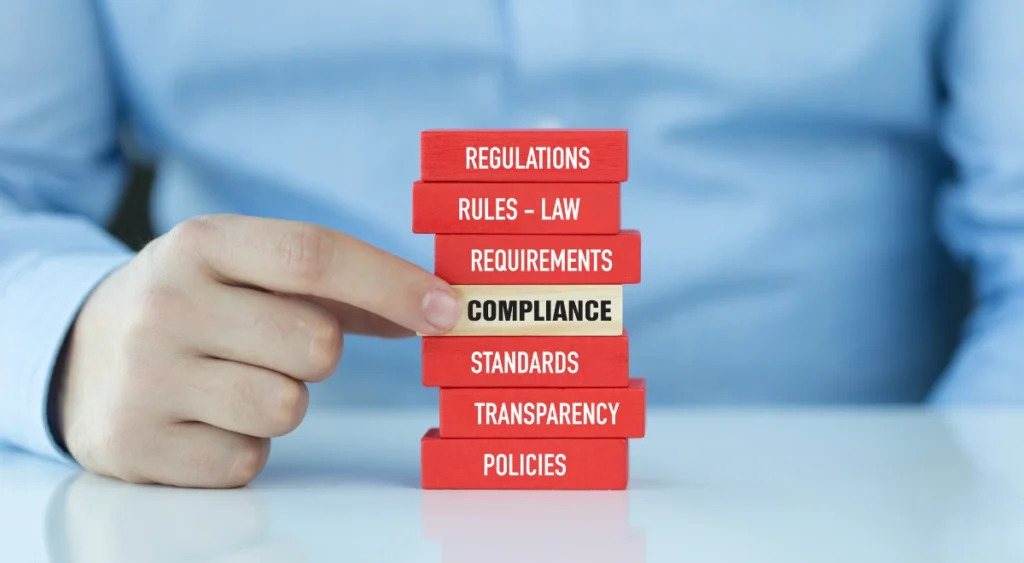
5. Digital Transformation in HR Audits
Digital transformation in HR audits has revolutionized compliance management. Automated dashboards, cloud-based record keeping, and AI-driven analytics help organizations:
- Track compliance levels dynamically.
- Reduce manual errors.
- Access audits remotely and quickly.
- Generate reports and insights instantly, enabling proactive adjustments.
AHS, a leading HR solutions provider, specializes in integrating compliance automation tools for seamless, real-time HR audits.
Conclusion
HR audits are not a one-time task. They’re an ongoing responsibility. With AHS by your side, your organization can not only stay compliant but also build a resilient and well-structured HR ecosystem that supports growth.
Frequently Asked Questions
Q1: How often should an HR audit be conducted?
HR audits should be performed at least annually, or more frequently for fast-growing startups or sectors with rapidly changing regulations.
Q2: Can HR audits help in reducing legal disputes?
Yes, proactive audits help identify and address issues before they escalate into disputes, protecting companies from costly litigation.
Q3: How does digital transformation in HR audits benefit small businesses?
It simplifies compliance tracking, reduces manual effort, improves accuracy, and ensures continuous adherence to evolving laws.
Q4: What role does AHS play in HR compliance?
AHS offers tailored compliance solutions, audit management, and automation tools that help organizations maintain 100% statutory compliance efficiently.